Speed, Safety, and Immediate Mitigation
When water starts dripping from a commercial ceiling, the clock starts ticking immediately. You need to fix a leaking commercial roof as soon as the weather allows for a safe inspection and repair. Waiting even a few days can turn a simple patch job into a massive structural headache.
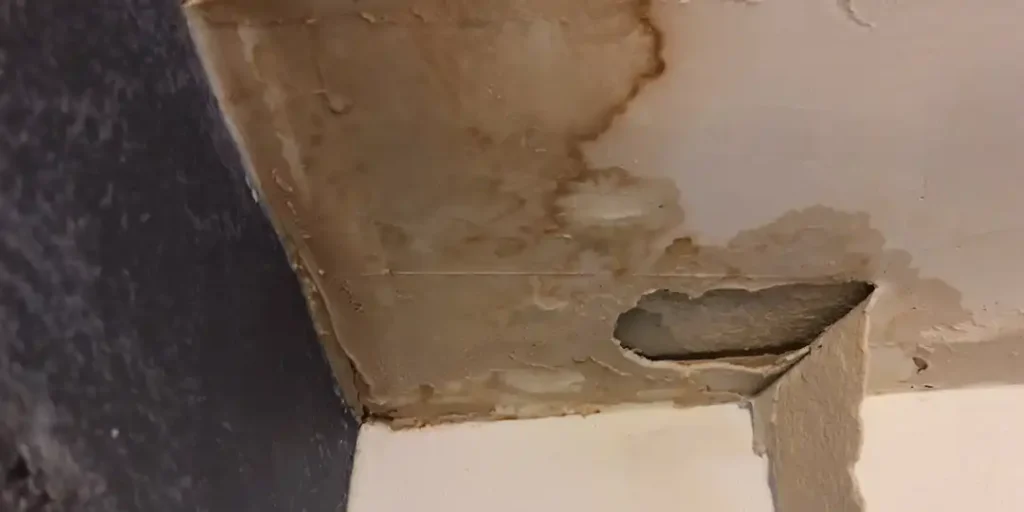
The first 24 to 48 hours are the most important for any property manager. During this window, you should focus on protecting the interior and documenting everything for your records. A reasonable response time to avoid looking negligent is to have a professional on-site within 24 to 48 hours to assess and mitigate the damage.
- Move any equipment or inventory away from the dripping water to prevent property loss.
- Set up clear warning signs or caution tape if the floor is wet to prevent slip-and-fall accidents.
- Take photos and videos of the leak and any damage before you start cleaning up.
If a roofing company is backed up, you still have to take action to stop the damage from getting worse. While you wait for the pros, giving tenants fans and dehumidifiers is a great start, but it is not enough as a standalone short-term fix. You also need to actively stop more water from coming in.
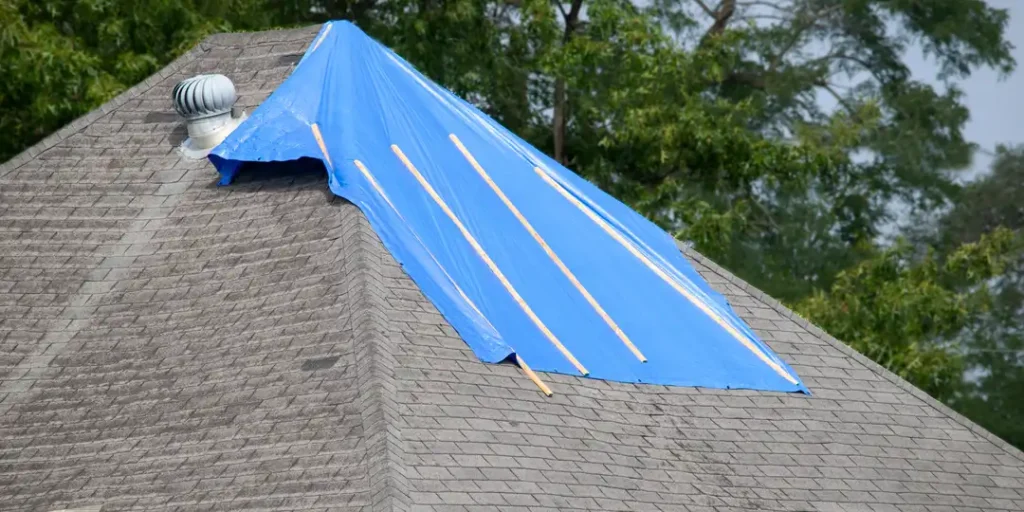
- Acceptable short-term mitigation includes things like putting up heavy-duty tarps or using emergency “leak diverter” systems.
- Keep the tenant updated every few hours so they know you are working on a permanent solution.
- Check the area frequently to make sure your temporary fixes are actually holding up against the rain.
Moving slowly can lead to some pretty serious legal and insurance trouble. If a “small” leak leads to mold or structural rot because you didn’t act, your insurance company might deny the claim. Staying ahead of the drip protects the building, your tenants, and your reputation as a pro.
Property Manager Communication in Emergencies
When a roof leaks, tenants are usually stressed and worried about their business. If your maintenance team says, “We don’t do roofs, that’s a vendor,” it sounds dismissive and like you don’t care. Your team should handle this by taking ownership of the situation and explaining that while specialized experts are needed, the PM team is managing the entire process.
- Validate their concern by acknowledging the leak is a priority and needs expert attention.
- Use professional phrasing like, “We have a specialized roofing partner en route because this requires expert tools we don’t keep on-site.”
- Provide a timeline so the tenant knows exactly when to expect the vendor and what the next steps look like.

The goal is to make the tenant feel like they are in good hands, not like they are being passed off to someone else. Even if your internal team can’t climb onto the roof, they can still be the “hero” by coordinating the fix quickly. Good communication can prevent a small leak from turning into a big tenant relationship problem.
Onsite Mitigation Checklist
Having a plan ready to go can save you a lot of stress when an emergency hits. You should keep a simple checklist handy so your team knows exactly how to react the moment a leak is reported. This helps you document the damage and keep the building safe until the roofers arrive.
- Ensure safety first by cordoning off wet floor areas to prevent slips and falls.
- Protect the assets by moving electronics, inventory, or furniture away from the water.
- Take clear photos of the ceiling, the floor, and any damaged property for insurance purposes.
- Use moisture readings to see how far the water has traveled into the walls or carpets.
- Apply temporary tarping or leak diverters if it is safe to do so to stop further water entry.
- Escalate to a vendor immediately if the leak is near electrical panels or if the ceiling begins to sag.