End-of-Life Indicators
Sometimes a quick fix is just putting a bandage on a much bigger problem. You can tell repair is no longer enough when you see widespread failure across the entire surface rather than just one small spot. If you are chasing leaks every week, your roof is likely trying to tell you it has reached the end of the road.
Another major red flag is when moisture gets trapped under the roof membrane. When water is stuck beneath the surface, it can rot the materials underneath and lead to mold or even structural issues. Once the bones of the building are at risk, a simple patch won’t keep your property safe anymore.
- Widespread failure: If damage is appearing in multiple areas at once, a full replacement is usually safer.
- Trapped moisture: Water under the membrane is a “silent killer” for roofs that leads to long-term decay.
- Structural damage: Sagging or weakened supports mean the roof can no longer hold its own weight properly.
Signs You Need a New Roof
It can be hard to pull the trigger on a big project, but certain signs make the choice clear. You likely need a new roof instead of a repair if you notice major sagging, widespread leaking, or if the roof has simply outlived its expected lifespan. Making the call early can save you from much more expensive repairs inside the building later on.
Best Time of Year to Replace
Timing is everything when it comes to big construction projects, especially in Texas. The best time of year to replace a roof is typically during the late fall or early spring when the weather is mild. Avoiding the extreme seasons helps the crew work faster and ensures your materials set correctly.
Texas weather can be pretty brutal on roofing materials during the installation process. Extreme summer heat can actually damage certain materials like shingles or membranes before they are even fully installed. If it’s too hot, the materials can become too soft to walk on or handle properly.
- Spring storms: You want to beat the heavy hail and rain seasons so your building isn’t exposed during a downpour.
- Summer heat: High temperatures can make adhesives fail or cause materials to expand too much during installation.
- Winter freezes: While Texas isn’t always icy, extreme cold can make some roofing materials brittle and prone to cracking.
Planning around these climate cycles keeps your project on track. By scheduling your replacement in those “Goldilocks” windows of mild weather, you get the best performance out of your new roof. It also usually means fewer delays caused by sudden thunderstorms or heat waves.
Materials & Longevity
When you do decide to replace, you want to pick a material that fits your budget and your long-term goals. Tile and metal are the roofing materials that last the longest, often staying in great shape for 50 years or more. While they cost more upfront, they rarely need to be replaced twice in a lifetime.
Other common materials have different lifespans depending on how they handle the sun and rain. Most modern flat roof materials like TPO and PVC are designed to last between 20 and 30 years. Here is a quick breakdown of what you can expect from different options:
- Tile & Metal: These are the champions of longevity, lasting 50+ years.
- TPO & PVC: Great for energy efficiency and usually last 20-30 years.
- Modified Bitumen: A tough, layered option that typically lasts about 20 years.
- Shingles: The most common choice, generally lasting 15-25 years depending on the grade.
Choosing the right material means looking at how long you plan to own the property. If you want a “one and done” solution, investing in high-end materials like metal is the way to go. If you need a solid, cost-effective fix for the next two decades, TPO is a fantastic middle ground.
Dealing with Conflicting Opinions
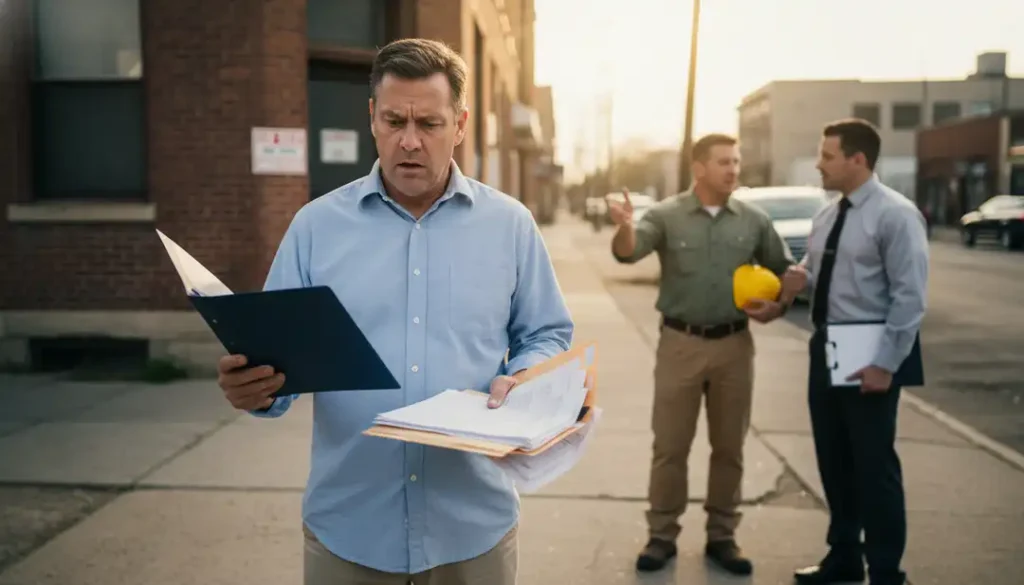
It is very common for an owner to get two totally different stories about their roof. If your property manager says the roof is fine but a roofer says it is dead, you should believe a neutral third-party inspector who has no financial stake in the outcome. This person can give you the truth without trying to sell you a new roof or avoid the work of managing a project.
Confirming a Replacement is Necessary
You might worry that a recommendation for a full replacement is just a way to get more money out of you. To confirm if a replacement is really necessary, ask for a detailed photo report and a core sample that shows the condition of the layers beneath the surface. If the insulation is soaked or the wood is rotting, the evidence will be right there in the pictures.
- Photo evidence: A trustworthy pro will show you clear pictures of the damage so you don’t have to take their word for it.
- Core samples: Taking a small “plug” out of the roof reveals if there is hidden moisture trapped inside.
- Independent evaluators: Companies like TRA act as honest evaluators to give you a straight answer on whether you are being upsold.
Deciding whether to repair or replace is all about looking at the big picture for your property’s future. The best way to make the call is to weigh the immediate fix against the long-term savings of a new, efficient system. By using an honest evaluator like Texas Roofing Authority, you can move forward with confidence knowing you aren’t just guessing, but making a choice that protects your investment for years to come.