Inspection Cadence
Waiting for a leak to show up inside an apartment is a recipe for disaster. It turns a small fix into a giant, expensive headache that ruins your day and your budget. By building a system for regular checks, you stop reacting to emergencies and start running a better business.
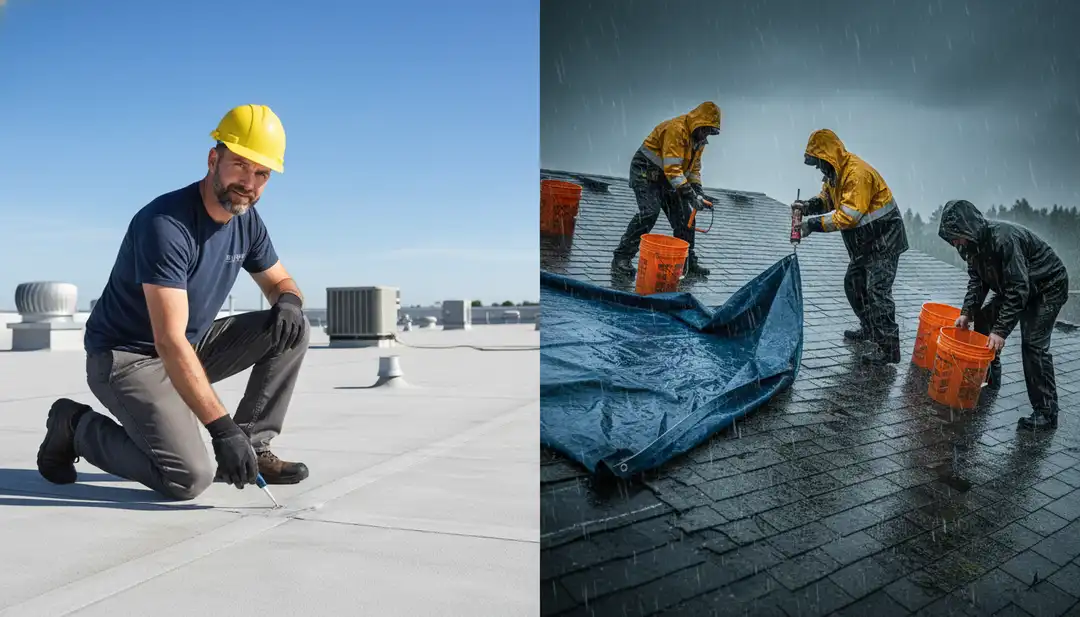
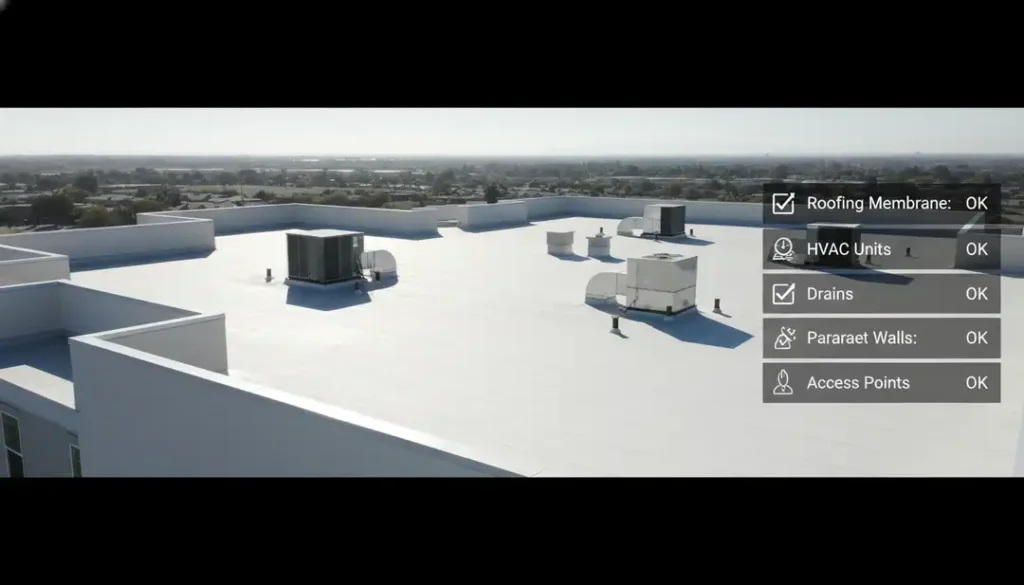
You might wonder how often you really need a pro to climb up there. For a multifamily building, you should have a professional inspection done twice every year. It is also smart to call them out right after any major storm to check for new damage before it gets worse.
Many landlords only think about their roofs when water is dripping onto a tenant’s couch. However, top-tier property managers are now performing preventative inspections on a set schedule rather than just reacting to leaks. This strategy keeps your property portfolio healthy and protects your bottom line.
Why Preventative Inspections Make Sense
- Better Budgeting: You can plan for small repairs now instead of getting hit with a huge surprise bill later.
- Longer Roof Life: Regular checkups help your roof last much longer than one that is neglected.
- Happy Tenants: Preventing leaks means you don’t have to deal with angry phone calls or expensive mold issues.
Minor Repairs & Life Extension
Small fixes are the secret to making a roof last as long as possible. Minor roof repairs can prevent full replacements later because they stop water from reaching the wood deck underneath. It is much cheaper to fix a few shingles now than to replace the whole roof in five years.
An annual maintenance plan helps you stay on top of these little tasks without thinking about it. It turns a massive, scary expense into a small, predictable cost for your business. This simple approach can add years of life to your property’s roof.
Why Small Fixes Matter
- Saves your budget by avoiding expensive emergency service calls.
- Extends the lifespan of your roofing materials significantly.
- Protects the building from hidden structural rot and damage.
Learn how a simple inspection schedule and quick repairs can save your property thousands and stop emergency leaks before they start.
Onsite Staff Checks
Your onsite team doesn’t need to be roofing experts to help keep the building dry. Onsite staff can perform simple checks like looking for ceiling stains, clearing ground-level drains, and spotting fallen debris from the sidewalk to catch issues between pro visits. These quick walks can save you a fortune in water damage repairs.
Giving your leasing agents and maintenance techs a simple list to follow makes them feel like part of the solution. They are the eyes and ears of your property every single day. Keeping them involved ensures that small signs of trouble don’t get ignored for months.
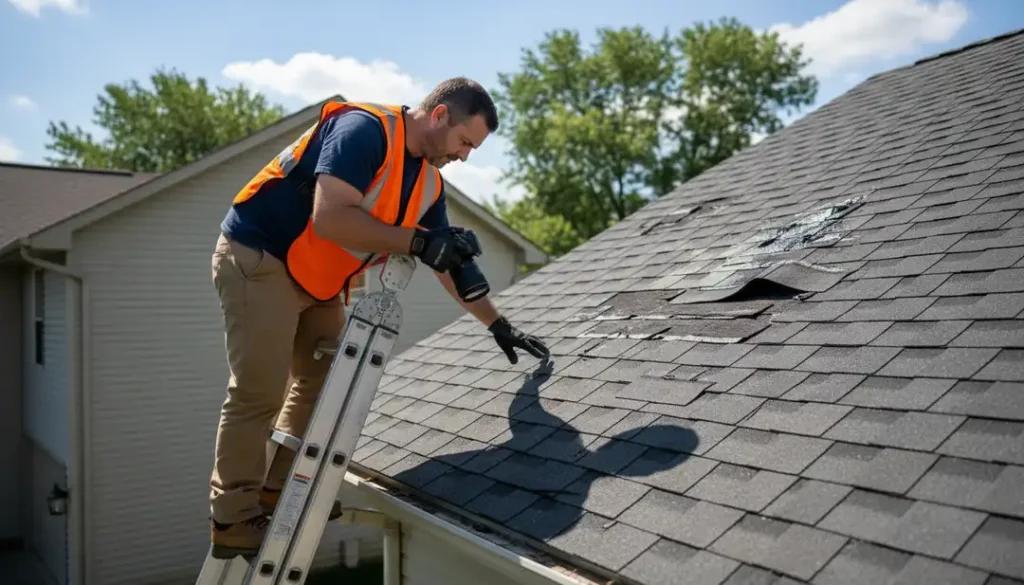
Simple Staff Checklist
- Check top-floor ceilings: Look for new water spots in hallways or vacant units.
- Inspect the ground: Search for shingles, metal bits, or granules that have washed down.
- Watch the drains: Ensure ground-level downspouts are clear and directing water away from the foundation.
- Scan the roofline: Look from the sidewalk to see if any flashing looks loose or bent.
This proactive system helps property managers save money and extend the life of their roofs by catching small problems before they become major emergencies.
Tracking Leak Patterns
When a leak does happen, where you put that information matters just as much as the repair itself. To stay organized, many successful managers use digital maps, property files, and specific CRM fields to log exactly where and when leaks occur. This data turns a “problem building” into a clear list of facts you can use.
Having a detailed log makes it much easier to deal with insurance companies or property owners. You can show a clear pattern of recurring issues to justify the cost of a full roof replacement or a major insurance claim. Instead of guessing, you have a professional history that proves exactly what the building needs.
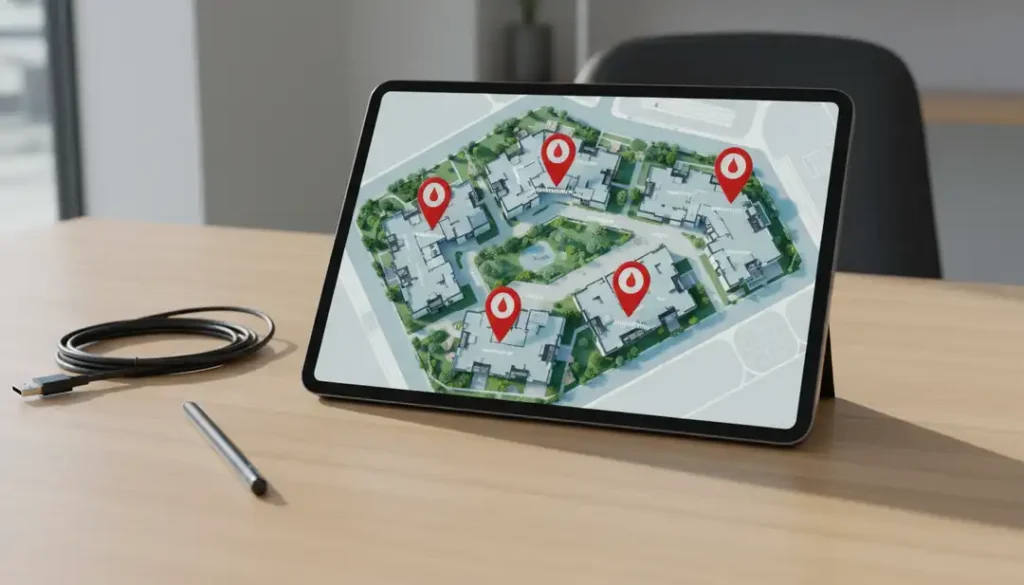
Why Tracking Works
- Proves a Pattern: Shows insurers that a specific area is failing despite small repairs.
- Justifies Big Spending: Helps owners see why a full replacement is smarter than constant patching.
- Organizes Files: Keeps all your roofing history in one easy-to-find digital place.
Learn how a simple inspection schedule and quick repairs can save your property thousands and stop emergency leaks before they start.
Verifying Maintenance Work
It can be tough to trust that a job was done right when you can’t see the roof yourself. To solve this, you can verify maintenance work by requiring crews to provide photos, videos, and timestamps as part of their digital reports. This tech-enabled verification ensures you are actually getting the service you are paying for.
Accountability keeps everyone on their toes and protects your investment. When contractors know they have to prove their work with clear visuals, the quality of the job usually goes up. It also gives you peace of mind that your buildings are truly protected.
How to Hold Crews Accountable
- Photo Proof: Ask for “before and after” pictures of every repair site.
- Video Walkthroughs: Have techs record a quick clip of the finished work.
- Timestamps: Ensure reports include digital time and date markers to prove when the work happened.
Learn how a simple inspection schedule and quick repairs can save your property thousands and stop emergency leaks before they start.
Vendor Redundancy
Putting all your trust in one roofing company can leave you stranded during a big storm. For a small to medium portfolio, you should keep at least 2 to 3 trusted roofing vendors on your “go-to” list so you aren’t stuck if one is booked out. Larger portfolios may need even more to ensure coverage across different regions.
Having backup options prevents a simple emergency from becoming a total disaster. If your main guy is busy, you have another professional ready to jump in and save the day. This redundancy is a key part of thinking at a portfolio level.
Learn how a simple inspection schedule and quick repairs can save your property thousands and stop emergency leaks before they start.