
1. After a Major Storm Hits Hutto
Central Texas storms don’t play nice. One minute it’s sunny, the next your roof’s getting pounded by hail, wind, and rain like it owes Mother Nature money. And in places like Hutto, these storms roll in fast and leave behind damage that’s not always obvious.
Hidden Damage Is a Real Threat
Just because your roof looks fine doesn’t mean it is fine. Hail can bruise shingles, weakening them over time. High winds can lift or loosen roofing materials, and heavy rain can sneak water into places it doesn’t belong. The worst part? You might not notice anything until leaks start showing up weeks or months later — and by then, the repair bill’s a whole lot uglier.
Central Texas Storm Patterns = Roof Killers
If you’ve lived in Hutto for more than a season, you know the drill:
- Spring and fall bring violent thunderstorms with hail the size of golf balls.
- Summer storms dump torrential rain in short bursts.
- And those random wind gusts? They’re strong enough to rip off shingles like they’re stickers.
These patterns are notorious for causing subtle but serious roof damage, especially on older roofs or ones that haven’t been inspected in a while.
No Visible Damage? Still Call a Roofer
Most roof damage isn’t visible from the ground. You won’t see cracked shingles, lifted flashing, or tiny punctures unless you’re up there — and even then, you need a trained eye. That’s why getting a professional inspection is a no-brainer, especially after a storm.
On top of that, roof inspections are usually free, especially from trusted local pros like Texas Roofing Authority. So really, what’s stopping you? You’re not committing to repairs, just getting peace of mind. If everything’s fine, great. If not, you caught it early — and that’s a win.
2. When You Notice Signs of Roof Trouble
If your roof’s throwing up red flags, ignoring them is like ignoring a check engine light. It won’t end well. In Hutto, where storms love to stir things up, even small roof issues can spiral into expensive disasters if you wait too long.
Common Warning Signs You Shouldn’t Ignore
If you spot any of these, it’s time to call a roofer — no debate:
- Leaks or water stains on your ceiling – That’s water getting in, and it’s not going to stop on its own.
- Missing or cracked shingles – Your roof’s armor is compromised.
- Sagging spots – Could mean structural damage or trapped moisture.
- Granules in your gutters – Your shingles are deteriorating.
These aren’t just cosmetic issues. They’re early warnings that your roof’s integrity is slipping — and fast.
Small Problems vs. Big Bills: A Side-by-Side Reality Check
Here’s an honest look at what procrastination can cost you:
| Issue | Fix It Early | Wait Too Long |
| Small leak | $150–$400 for patching | $5,000+ for interior repairs, mold removal, and roof replacement |
| Missing shingles | $200–$500 for replacement | $3,000–$10,000 if water gets in and damages decking |
| Sagging area | $500–$1,000 for reinforcement | $7,000+ if it leads to structural failure |
| Water stains | $100–$300 for sealing and repainting | $2,000+ if it spreads and ruins drywall or insulation |
Bottom line? Fix it now, or pay way more later. Roof problems don’t fix themselves — they get worse, quietly and quickly.
Don’t Wait for a Crisis
Most people wait until water’s pouring in or ceilings are collapsing. Don’t be that person. Roof inspections are usually free, especially from local pros like Texas Roofing Authority, so there’s literally no excuse not to get ahead of it.
If you’re seeing any of these signs — or even if you’re not sure — get a roofer out there. It’s fast, it’s free, and it could save you thousands.
3. If Your Roof Is Over 10 Years Old
Roofs don’t last forever, and once yours hits the 10-year mark, it’s officially in the “keep a close eye on me” phase. Even if it looks fine from the street, there could be wear and tear hiding just beneath the surface — stuff that only a trained roofer can spot.
Why Age Matters
As roofs age, they naturally lose their ability to protect your home. Shingles dry out, sealants crack, and flashing starts to loosen. And in Central Texas, where storms love to test your roof’s limits, that aging process speeds up. A 10-year-old roof in Hutto might be closer to 15 in roof years thanks to hail, heat, and high winds.
The older your roof, the more likely it’s hiding problems. You won’t see granule loss, soft spots, or minor leaks from the ground — but they’re there, quietly getting worse.
How to Tell How Old Your Roof Is
Not sure how old your roof is? You’ve got options:
- Check your home’s paperwork. If you bought the house, the inspection report or seller’s disclosure might list the roof’s age.
- Look at building permits. If the roof was replaced legally, there should be a record with the city or county.
- Ask your roofer. A good roofer can often estimate the age based on materials, wear, and installation style.
- Look for signs of aging. Curling shingles, faded color, and granules in the gutters are all clues your roof’s been around a while.
4. After DIY Repairs or Gutter Work
We get it — you love a good weekend project. You’ve watched the YouTube tutorials, bought the tools, maybe even climbed up there yourself. Respect. But here’s the thing: your roof isn’t the place to “wing it”. One wrong move and you could be setting yourself up for a much bigger problem than the one you tried to fix.
DIY Doesn’t Always Mean Done Right
Even if you’re handy, roofing is a different beast. It’s not just about slapping on a shingle or sealing a crack. There’s technique, layering, and weatherproofing involved — and if any of that’s off, you might be inviting leaks, rot, or structural damage without even knowing it.
Same goes for gutter work. If you’ve recently cleaned, replaced, or rerouted your gutters, that’s great — but if they’re not draining properly or were reattached incorrectly, water could be pooling near your roofline or foundation, slowly causing damage you won’t see until it’s too late.
Why You Still Need a Pro
A quick inspection from a roofer can catch what you missed. And since inspections are usually free — especially from local experts like Texas Roofing Authority — it’s a no-brainer. Think of it like a second set of eyes, just to make sure your DIY didn’t accidentally turn into a “Did I ruin my roof?” situation.
Improper fixes can lead to:
- Shingles not sealing properly, which lets water in.
- Flashing installed wrong, causing leaks around chimneys or vents.
- Gutters draining toward the house instead of away.
- Nail placement that weakens the roof’s waterproofing.
So if you’ve been up there recently with tools in hand, do yourself a favor and get it checked out. You’ll either get peace of mind or catch a problem before it costs you thousands.
5. When You See Granules in Your Gutters
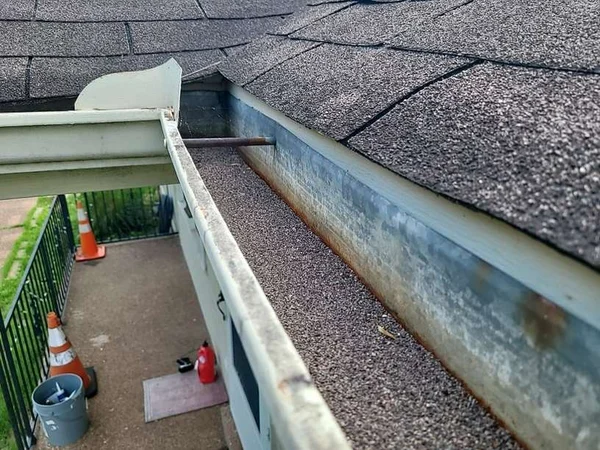
If you’re cleaning out your gutters and notice a bunch of gritty, sand-like stuff in there — that’s not dirt. Those are shingle granules, and they’re supposed to be on your roof, not in your downspouts. Seeing them in your gutters is a red flag that your shingles are starting to break down.
What Are Granules, Anyway?
Granules are the rough, textured coating on asphalt shingles. They’re not just for looks — they serve a real purpose:
- Protect shingles from UV rays, which can dry them out and crack them.
- Add fire resistance, which is a big deal in hot, dry Texas summers.
- Help with water runoff, so rain doesn’t pool or seep in.
When those granules start falling off, your shingles are basically losing their armor. And once that protective layer is gone, the rest of the shingle deteriorates fast — leading to leaks, rot, and expensive repairs.
Why It Matters in Hutto
Central Texas storms are brutal. Between hail, high winds, and scorching sun, your roof takes a beating. Granule loss is one of the first signs that your roof’s age or storm damage is catching up with it. And here’s the kicker — you won’t see this from the ground. You’ll only notice it if you’re cleaning your gutters or if a roofer points it out.
What You Should Do
If you’re seeing granules in your gutters:
- Don’t ignore it. It’s a sign your shingles are wearing out.
- Call a roofer for an inspection. It’s usually free, especially from pros like Texas Roofing Authority.
- Act before it escalates. Waiting could mean full roof replacement instead of a simple repair.
Bottom line? If your gutters are full of granules, your roof’s trying to tell you something. Listen to it — and let a professional take a look before it turns into a costly mess.
6. If Your Energy Bills Suddenly Spike
If your electric bill just jumped and you haven’t cranked the AC to “Arctic Blast,” your roof might be the silent culprit. Roof damage can mess with insulation and ventilation, which throws your home’s energy efficiency out the window — literally.
How Roof Damage Hurts Efficiency
Your roof does more than keep the rain out. It plays a huge role in regulating temperature inside your home. When it’s damaged, even slightly, it can lead to:
- Poor insulation, which lets heat in during summer and out during winter.
- Blocked or broken ventilation, which traps hot air in your attic and forces your HVAC to work overtime.
- Leaks or gaps, which let conditioned air escape and outdoor air sneak in.
And guess what? You won’t see most of this from the ground. It’s happening above your ceiling, quietly draining your wallet every month.
What a Roofer Can Actually Do
A professional roofer doesn’t just look at shingles. They’ll inspect your attic’s airflow, insulation levels, and ventilation setup to see if your roof is causing the spike. If something’s off, they’ll spot it — and fix it before your next bill hits like a punch to the gut.
Texas Roofing Authority, for example, offers free inspections, so there’s no reason not to get a second opinion. If your roof’s fine, great. If it’s not, you’ll know exactly what’s wrong and how to fix it — without guessing or Googling.
Bottom Line?
If your energy bills are climbing and nothing else has changed, your roof might be the problem. Don’t wait until you’re sweating inside with the AC on full blast. Call a roofer, get it checked, and stop paying for energy that’s literally leaking out of your house.
Don’t Wait for Trouble to Knock — Get Ahead of It
Your roof isn’t just a lid on your house — it’s your first line of defense against Texas weather, rising energy bills, and surprise repair costs. Whether it’s storm damage, age, DIY mishaps, or just weird stuff showing up in your gutters, the signs are there. You just have to pay attention.
So, remember:
- Roof inspections are usually free, especially from trusted local pros like Texas Roofing Authority.
- Most damage isn’t visible from the ground, and waiting only makes things worse.
- Fixing small issues early saves you thousands compared to emergency repairs or full replacements.
So if you’re in Hutto and your roof’s been through a storm, showing signs of wear, or just hasn’t had a check-up in years — make the call. A quick inspection could be the smartest move you make this year. Your wallet (and your ceiling) will thank you.